A manual process that had reached its operational limits.
Buckman's team manually inspected 40-foot creping blades each day. Every inspection required 30 to 60 microscope measurements, handwritten notes, spreadsheet entry, calculation checks, and manual report formatting.
The process was thorough and methodical. But as operational demands increased, the workflow required significant hands-on effort and coordination.
The process demanded attention to detail and operator expertise. However, it required substantial manual effort and created natural variability in timing and reporting consistency.
Skilled operators were dedicating valuable time to data handling tasks rather than focusing on analysis and operational optimization.
Operational precision needed a system, not more spreadsheets
Blade wear measurement directly impacts performance and operational efficiency. Inconsistent numbers create risk. Slow reporting delays decisions. Manual transcription introduces avoidable errors.
Buckman needed speed, repeatability, and confidence in the numbers.
"Manual inspections were slow, spreadsheet-heavy, and vulnerable to error. We needed consistency, speed, and reliability."
AI-driven computer vision with instant reporting
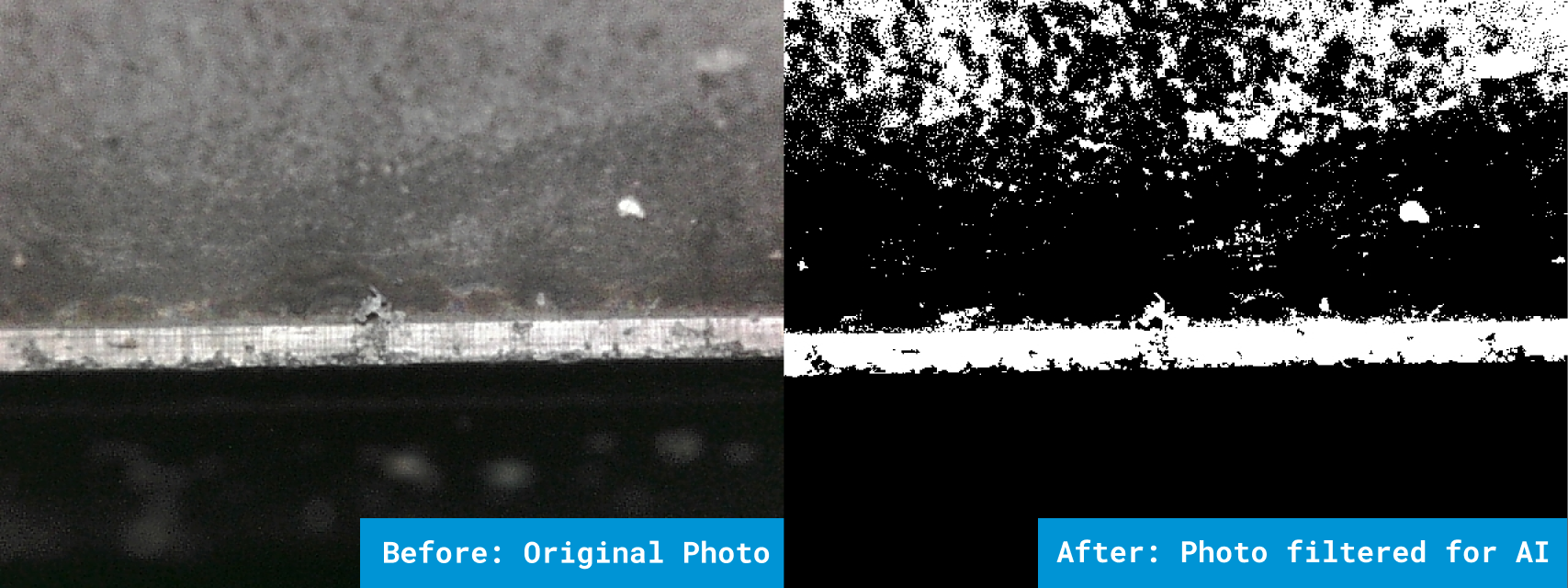
KEYSYS designed and deployed a production desktop application powered by AI-driven computer vision. The system automates blade measurement, calculates wear metrics, structures the data, and generates standardized PDF reports instantly.
- → Automated computer vision measurement replacing manual microscope readings
- → Wear metric calculations performed automatically
- → Structured data flowing into a clean internal dashboard
- → Instant standardized PDF report generation
How the Workflow Runs Now
Capture and process imagery as part of the inspection process.
Computer vision measures and calculates wear metrics instantly.
Clean, validated data moves into a simple dashboard.
A standardized PDF is generated automatically, formatted the same way every time.
What once required dozens of manual actions now happens in minutes.

"Watching operators swap a 45-minute microscope routine for a two-minute scan and trust the results instantly reminds me why we automate in the first place."
95% of the process streamlined
KEYSYS automated 95% of Buckman's blade inspection and reporting workflow, saving time, reducing errors, and significantly lowering operational overhead.
- Reduced daily inspection effort
- Freed skilled team members for higher-value work
- Eliminated spreadsheet transcription mistakes
- Standardized calculations and reporting outputs
- Less rework and fewer corrections
- Faster reporting with consistent formatting
- Precision microscope inspections performed daily
- Spreadsheet-based measurement tracking and reporting
- Calculations applied per inspection cycle
- Reports assembled through coordinated manual steps
- High operator involvement across every stage
- AI-powered computer vision measurement
- Automated wear metric calculations
- Structured data pipeline and internal dashboard
- Instant, standardized PDF report generation
- 95% of the workflow streamlined
The system in production.
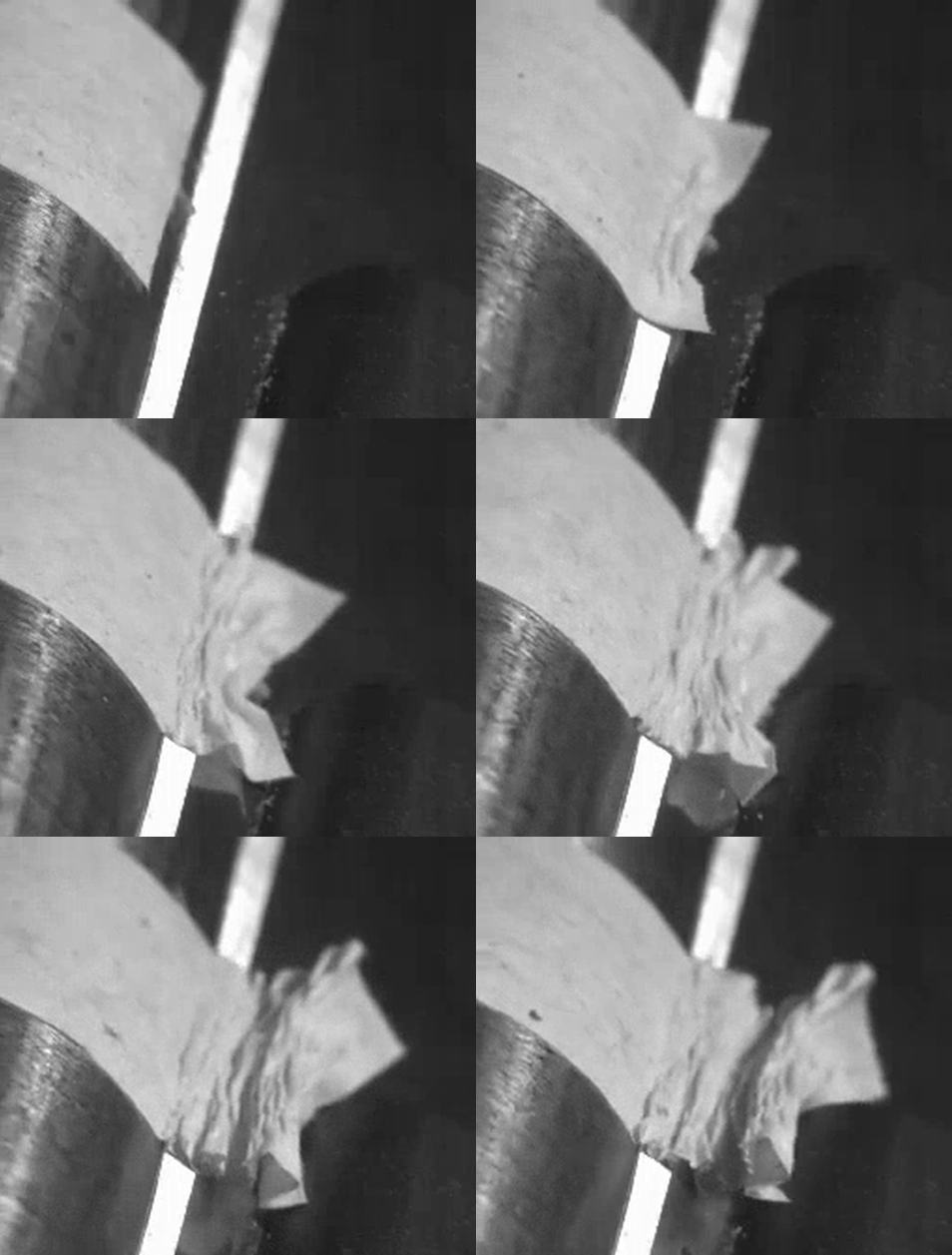
Creping blade in action.
The creping process shapes tissue density and softness. Precision in blade wear directly influences final product characteristics.
The GIF below shows a creping blade in operation.
Ready to Automate Your Operational Workflows?
If your team is manually measuring, transcribing, reconciling, or reporting data, you may not need more labor. You may need a system.Download the Executive PDF.
Formatted for internal distribution, stakeholder review, and proposal inclusion.
Download the Buckman Laboratories Case Study (PDF)